
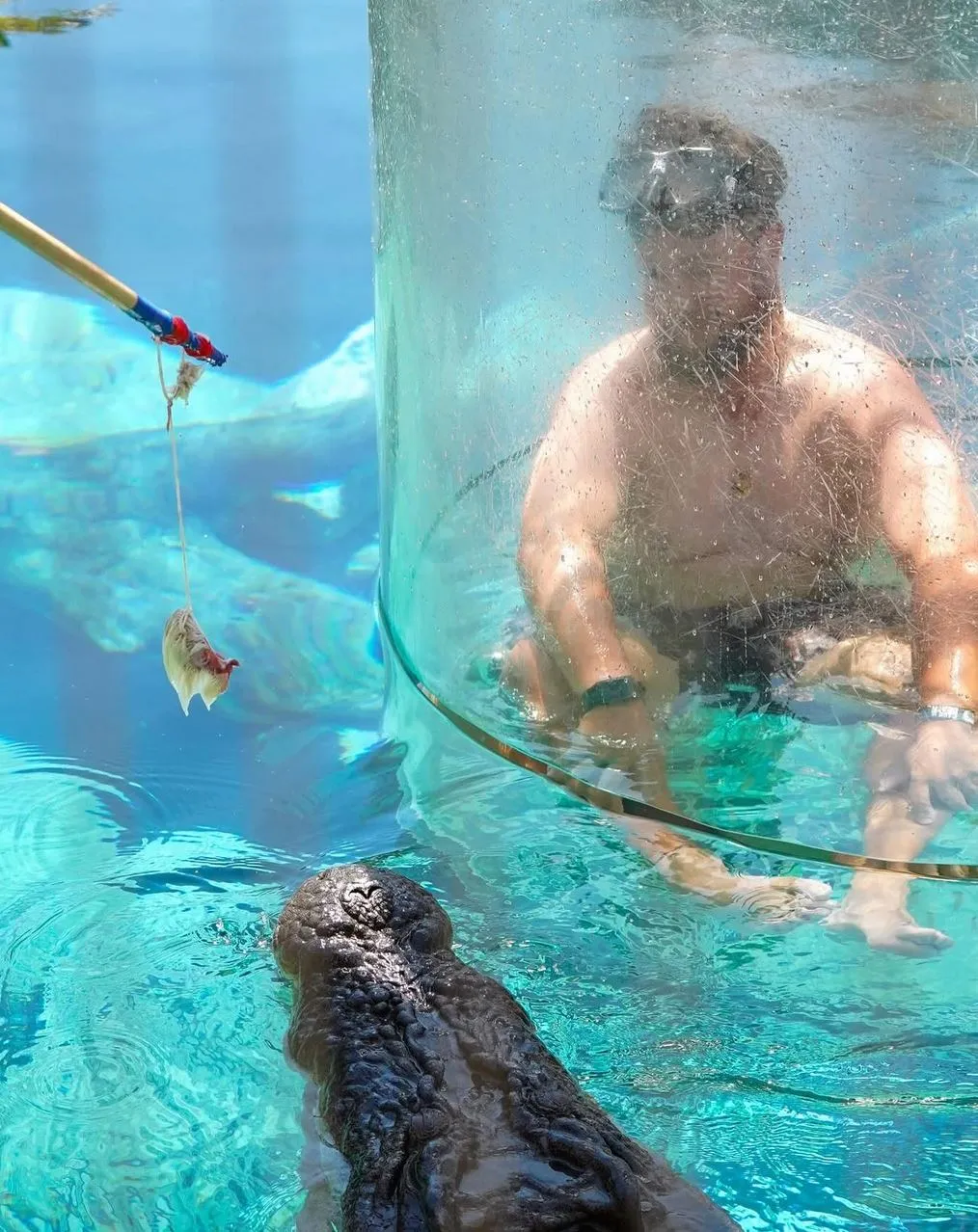
Is it possible to spot wild Saltwater Crocodiles outside of organised tours in the Darwin region? That’s a question I get repeatedly from wide-eyed travellers rolling into Australia’s tropical capital city every dry season. I completely get it – Saltwater Crocs are the Top End’s most notorious locals and spotting one is what most people mean by “NT holiday”. There’s something pretty cool about seeing a prehistoric unit just lazing about on a muddy bank – although that’s precisely why you need to watch out.
But here’s the lowdown – yes, you can see wild crocs without splashing out for a guided tour… but there are some serious caveats. Over the years I’ve been guiding, running trips and just generally poking around the outback from the Daly River to the Mary floodplains, I’ve seen far too many people underestimate croc behaviour – pretty much as often as they get bitten by mozzies on their ankles.
So let’s take a close look at your options – the safe route, the dodgy one and the smart way. Yes, we’ll even talk about that famous Jumping Crocodile Cruise because even when you’re looking for a genuine wild experience, a proper operator with some profound wildlife knowledge can make all the difference.
Key Facts Before Sniffing out Wild Crocs
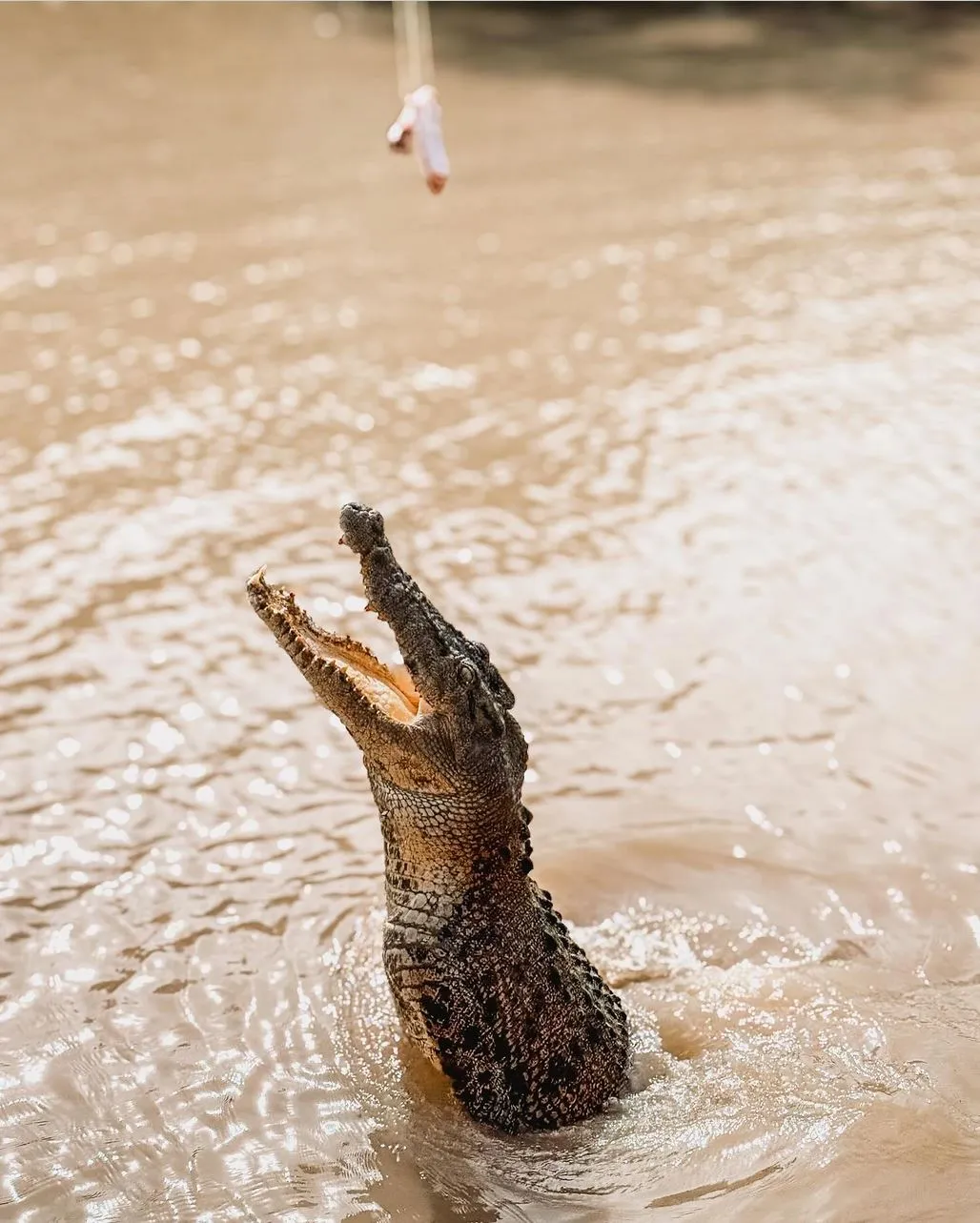
The good news is you can see salties and the occasional freshwater croc near Darwin – but where, when and how safe you do it is a whole different ball game. I’m not here to sugarcoat it – Crocs aren’t something you can just tick off your bucket list and walk away from. They’re top of the food chain and will behave exactly as evolution has taught them to – and that’s no joke. If you want to see them outside a guided tour, then you need to start thinking like a ranger rather than a wannabe wildlife photographer.
Years ago, when I was first starting out taking groups of tourists around the Top End, I had to watch in horror as a bloke wandered off towards a billabong because he thought one log looked a bit too shiny. Turned out it was a 3-metre saltie. By the time he worked that out, the croc had already seen him – that’s crocodile behaviour in a nutshell – and it’s a hard lesson to learn.
Places to Catch a Glimpse of Wild Salties
Places you’ll want to head to are those where crocodiles naturally hang out – feeding zones, shaded river banks, and tidal creeks. And when you do go, you’ll want to make sure you have some breathing space between you and those creatures that could just about yank you into the drink before you even have a chance to scream “NO WAY!”
Here are some spots where people sometimes spot them:
Adelaide River Floodplains (Where the Cruises Don’t Go)
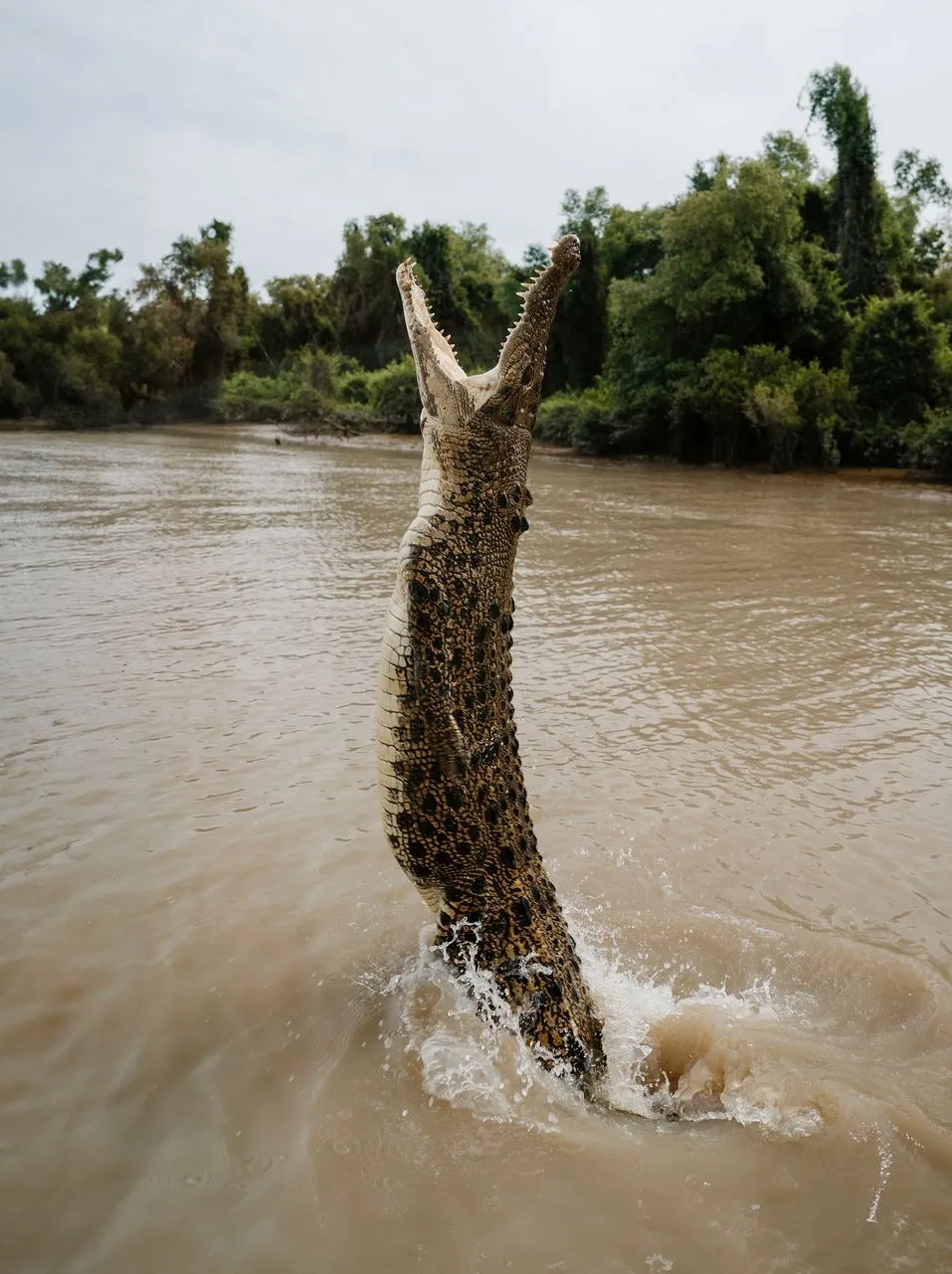
Adelaide River Floodplains is the place to see saltwater crocs – and it’s the same river where that famous Jumping Crocodile Cruise runs out of Darwin. You can take a gander at the river from some of the roadside pull-ins along the Arnhem Highway, but be warned – the banks are steep, access is a bit dodgy, and the crocs just love hanging out here because of the tidal action and all the native birds. If you do decide to pull over, make sure you’re well back and use binoculars to get a closer look. And for goodness’ sake, don’t even think about getting anywhere near the water’s edge.
Shady Camp, Mary River National Park
Shady Camp is basically the croc capital of Australia. When we run our trips out here, it’s not uncommon to see 50 or 60 sets of eyes poking out of the water after sunset. Any old fisherman will tell you – keep a safe distance, and don’t assume you’re just fishing with the fish – keep an eye out for those salties too.
East Alligator River (Between Kakadu and Arnhem Land)
East Alligator River is a stunning spot – steeped in history and culture, and with rangers always keeping an eye on things. You can usually spot wild crocs from the lookouts above. The currents here are no joke, and the crocs use the tides like a bit of a conveyor belt.
Fogg Dam Conservation Reserve
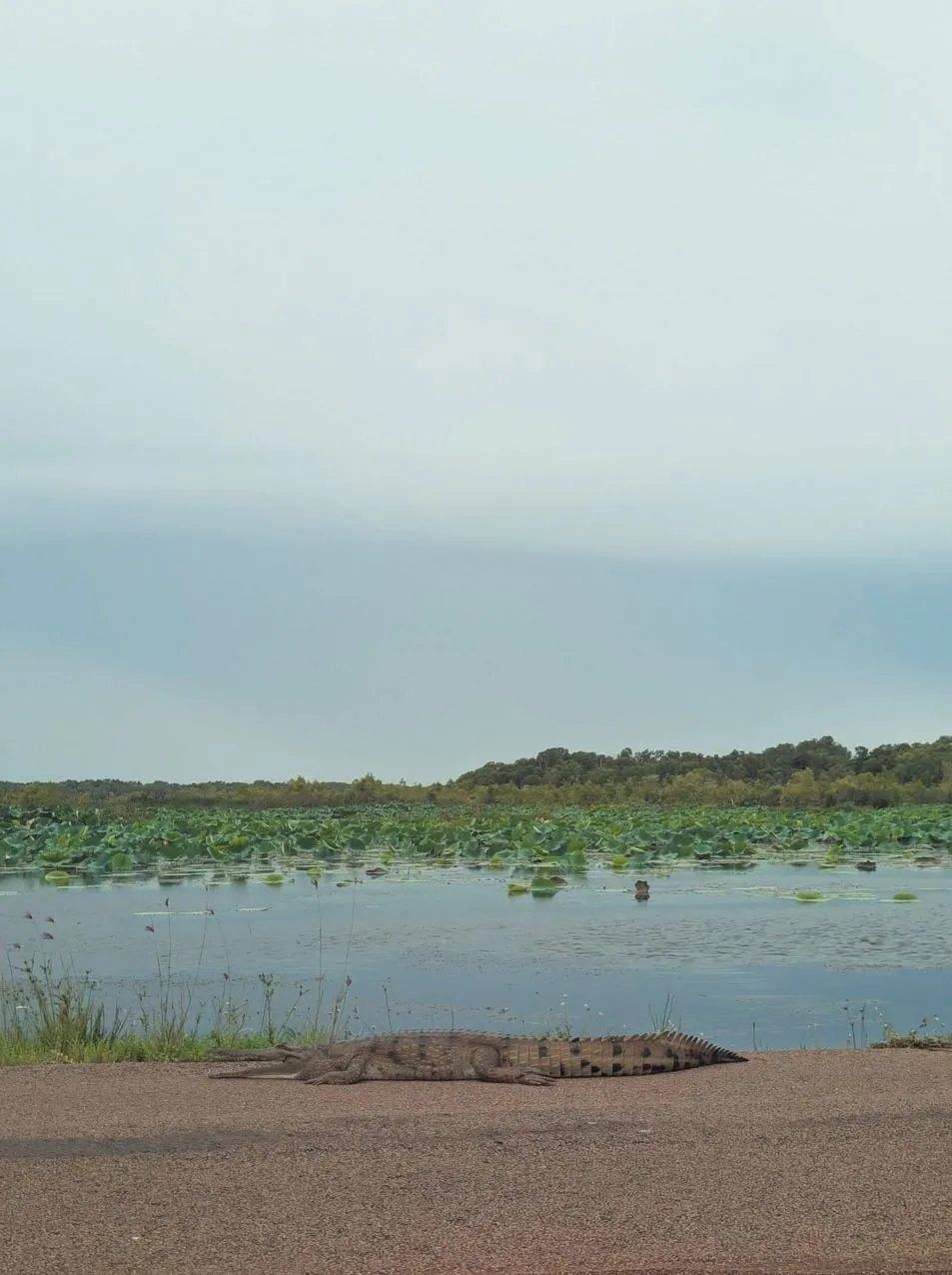
Fogg Dam Conservation Reserve is heaven if you’re a bird nut – magpie geese, jacanas, egrets… and where there’s all that birdlife, you’ll find crocs lurking around the overflow channels. You don’t want to step into that water without being 100% sure there’s no croc lurking beneath the surface – and you don’t want to get chomped on by some sneaky saltwater croc hiding amongst the reeds.
None of these spots is a guarantee – some days the river’s as quiet as a ghost town, the tide’s all wrong, or the crocs just aren’t in the mood for a bit of sunbathing. That’s just how things go – it’s nature, not some show that promises a guaranteed selfie with a croc.
Why You’ll Get More Out of a Guided Croc Cruise
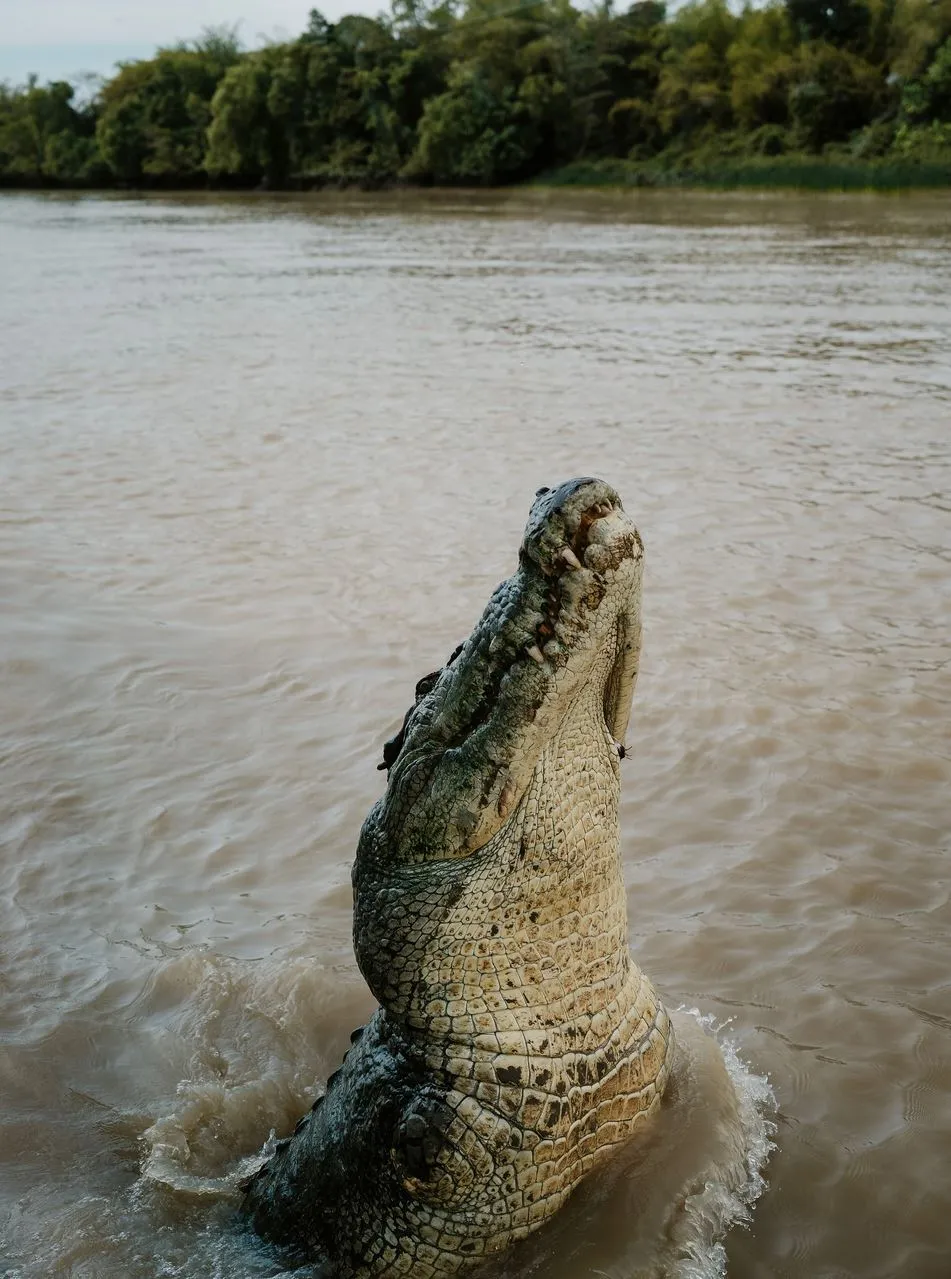
I’ve been guiding for a while now, and I can tell you that these organised croc tours aren’t some gimmick – they’re actually a pretty good idea. Operators like Jumping Crocodile Cruise and some of the Aboriginal-owned teams up on the river know the crocs like the back of their hand, and work hard to keep both the wildlife and the visitors safe.
When you hop on the Jumping Crocodile Cruise from Darwin, you’re in for more than just a show – you’re getting a proper lesson from the wildlife guides who can read the river like no one else. They’ll tell you all about the conservation efforts, the behaviour patterns of these saltwater crocs, their nesting areas, and some of the cultural stories that tie all of this together. You get to go on a genuine adventure and get a rich experience of the Northern Territory that you just wouldn’t get by standing at some muddy bank and trying to spot a croc through binoculars. And, you get to do so from the safety of a proper boat, not some rickety old bank that’s just one slip away from disaster.
How Seasons Impact Croc Sightings
The Top End has only two seasons – wet and dry, and both have a significant impact on the way crocodiles behave around here.
When the wet season rolls in (November to April), the heavy rain brings the rivers up to a whole new level. And that means that the saltwater crocs can push further inland – they just love gliding across the flooded plains into areas that you’d typically never even think to go near. Whenever I’m talking to travellers around this time, I always say the same thing: don’t go wandering off down the side of the road to take a sneaky look at a roadside billabong or just “checking something out” at a creek, just because everything looks nice and flat and looks like it’s totally calm. Trust me, it’s a terrible idea.
When the dry season sets in (May to October), things get drier, and the waterholes start to shrink, and the rivers tend to steady themselves out a bit. You’ll begin to see a lot more of the crocs just basking in the sun near the banks – and the best part is, from designated lookouts, it makes spotting them a heck of a lot easier, and a lot safer too.
Here’s a quick comparison:
TABLE: Croc Sightings by Season (NT Ranger Data Summary)
| Season | Conditions | Likelihood of Wild Sightings | Safety Level |
|---|---|---|---|
| Wet (Nov–Apr) | Flooded plains, fast-moving water | High (but dispersed) | Low – unpredictable movements |
| Early Dry (May–Jul) | Stable river levels | High | Moderate – banks are still slippery |
| Late Dry (Aug–Oct) | Low water, exposed banks | Very High | Moderate–High at controlled sites |
Data Source Interpretation: NT Parks & Wildlife monitoring reports (those seasonal summaries of sightings are constantly changing from year to year)
Staying Croc Aware When You’re Not on a Tour
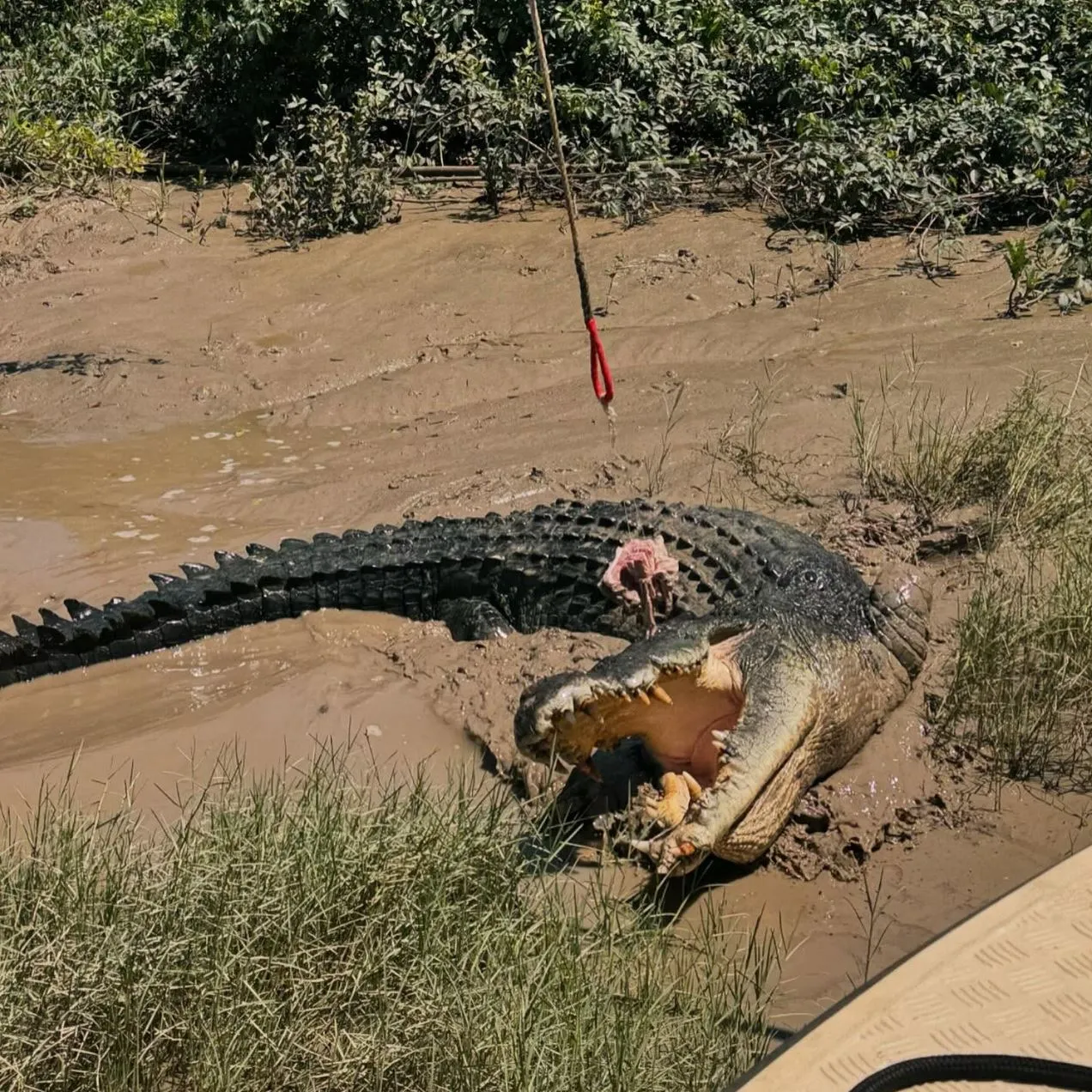
I get sick of hearing about tourists ignoring croc safety because they just wanted to take a quick peek. That’s how headlines are made.
Here’s what I do myself – and I make sure our guides at Get Lost Travel Group are all super aware of this stuff too:
Checklist: Croc Safety Essentials
- You should assume that every single waterway up north is crawling with crocs – whether it’s the dry season or the wet.
- Keep a good 5 metres between you and the water – 10 metres if you’re anywhere near a tidal river.
- No camping near the riverbank – crocs use the same tracks at night, and you really don’t want to be in the way.
- Don’t go about cleaning fish right next to the water – that’ll just tell the crocs that splashing sounds like a free feed.
- Don’t stand on big sticks hanging over the water – those are just croc launchpads waiting to happen.
- Grab the insect repellent – the mozzies around the water edge can be absolute murder.
- Never let kids or pets near the water – it’s just a recipe for disaster.
- And for goodness sake, don’t ever try swimming with crocs – that’s just asking for trouble.
If you want the thrill of croc spotting without risking life & limb, just book a cruise. Nobody gets any sort of hard time for being sensible.
What About Freshies? Are They Safe to Spot in the Wild?
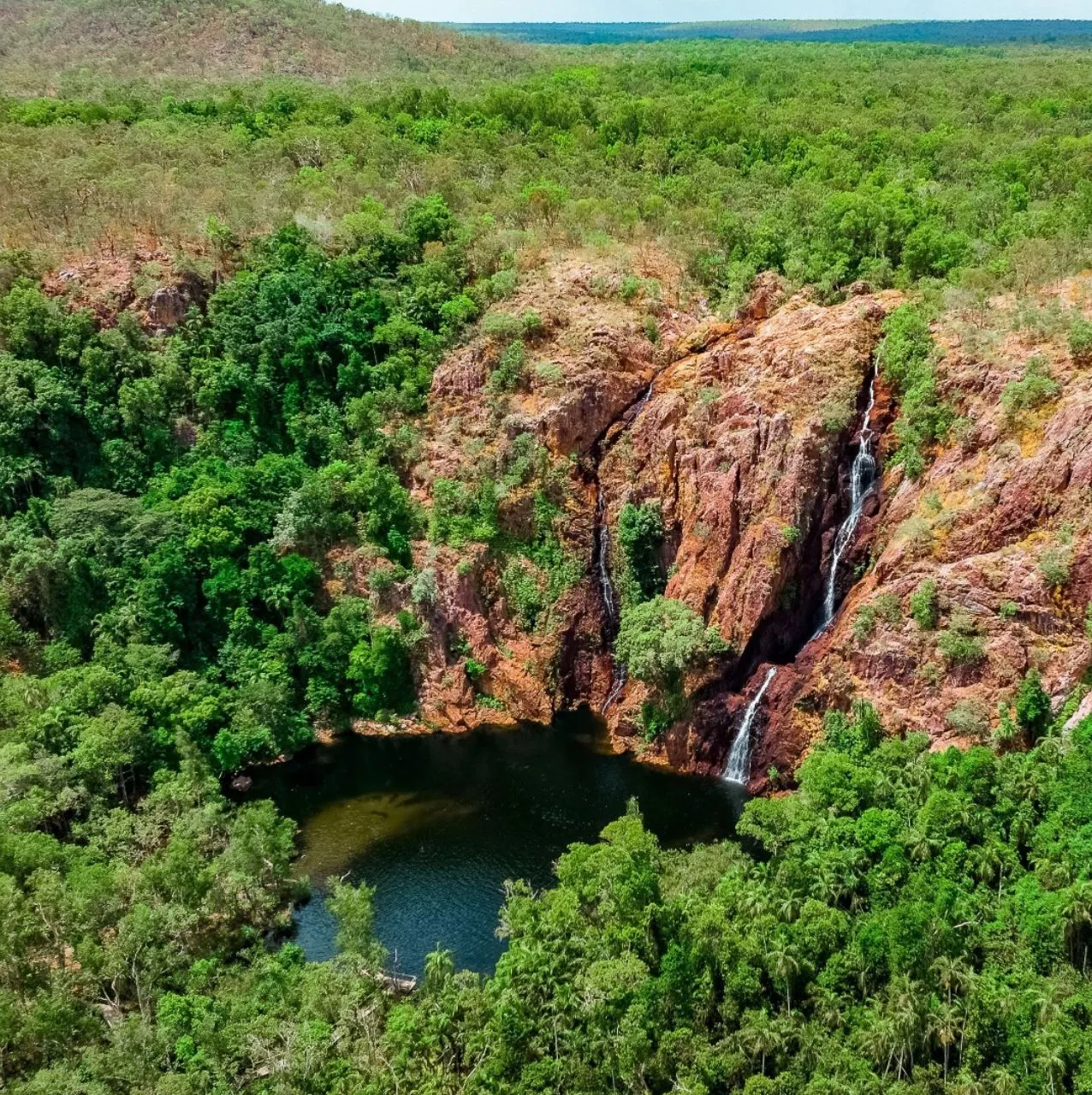
Freshwater crocs (or “freshies” as locals call them) are way smaller, way more timid, and you can usually spot them at Katherine Gorge, Wangi Falls (if it’s open), and the upper Finniss. But their behaviour is entirely different to that of the big saltwater crocs. They’ll dive underwater the second they sense you’re there.
But don’t get any ideas that they’re harmless just because they’re freshies. They can still bite, and they’ll do their best to defend themselves (especially when protecting their nests). Please treat them with a bit of respect, like you would any other wild animal. Keep your distance and just enjoy the view.
Is Fishing with Crocs Really Something People Do?
Absolutely – just ask anyone who’s spent a day fishing at Shady Camp or the Daly River. Fishing with crocs is a big part of life up in the NT, and many locals know and respect it. But here’s the thing: you’ve got to stay on your toes, keep your gear well back, and never turn your back on the water. If you’re telling a story about ‘the one that got away, make sure it wasn’t you who got sized up by a croc.
Being Respectful of Aboriginal Culture and Country
Crocs play a significant role in Aboriginal culture right across the Top End. When you’re on the East Alligator, you’re driving on land that carries a whole load of history, stories and significance. When the Traditional Owners ask visitors to stick to the marked tracks and avoid certain banks, they’re doing it to protect sacred sites, wildlife, and even you.
I’ve got a lot of respect for the Aboriginal-owned operators along the Adelaide River because they see crocodiles as being way more than just wildlife – they’re part of the landscape. It’s an absolute privilege to hear people talk about these animals in the context of their families living with them for thousands of years.
Do You Really Want to See Wild Crocs Without a Guide?
Yeah, sure – go for it – but only if you do it safely. Grab a good vantage point, stay behind the safety railings and pick a spot that’s been checked by rangers. Take your binoculars, be patient and keep your expectations in check.
But if what you want is guaranteed sightings, some real cultural insight, expert commentary and a front row seat to crocodile behaviour that you’ll never be able to forget, away with some great photos, loads of incredible stories, and all your limbs still attached – a win all round.
Final Thoughts from Paul Beames
Seeing a wild saltwater croc in Darwin is one of the most unforgettable experiences of an Aussie adventure – something that’ll get your heart racing and stay with you forever. Whether you’re scanning the Mary floodplains at the crack of dawn or boarding a boat with Jumping Crocodile Cruise out of Darwin, the Top End will give you a taste of the wild if you show it some respect, be patient and just use a bit of common sense.
If you’ve had a close encounter with a croc yourself – the safe sort, not the dodgy kind – share the story in the comments below. I’m always looking for tips to pass on to our travellers. And if you need help sorting out your NT adventure, give me a holler – my team and I live and breathe this country.
FAQ
How can I go looking for wild crocs on my own – is it safe?
You can do it, sure – so long as you stick to elevated lookouts or fenced off areas. Don’t even think about getting too close to the water’s edge – ever.
Are saltwater crocs more active in the wet or dry season?
They’re active all year round, but in the dry season they’re easier to spot – water levels drop, and they tend to bask in the sun more often.
How can I tell the difference between salties and freshies?
Freshies have thinner snouts and are generally smaller. But if you’re unsure – just err on the side of caution and keep your distance.
Is it safe to swim anywhere near Darwin?
No way, unless you stick to proper swimming areas inland or above barriers where crocs have been excluded. Don’t assume a creek or billabong is safe – it’s just not worth the risk.
Are crocodile cruises a good idea?
If you go with a reputable operator like Jumping Crocodile Cruise, who work closely with the rangers and conservation people, then yes – it’s a great way to see crocs and learn a thing or two about ’em at the same time.